Industry leaders recognize that STEM fields drive innovation across tech, manufacturing, and energy sectors. Yet, traditional K-12 education often falls short in preparing students for these demands. STEM industry partnerships change this dynamic through direct engagement from companies. Partnerships deliver experiential STEM education that connects theoretical lessons to practical applications. Students gain exposure to real-world STEM projects, fostering skills essential for future roles.
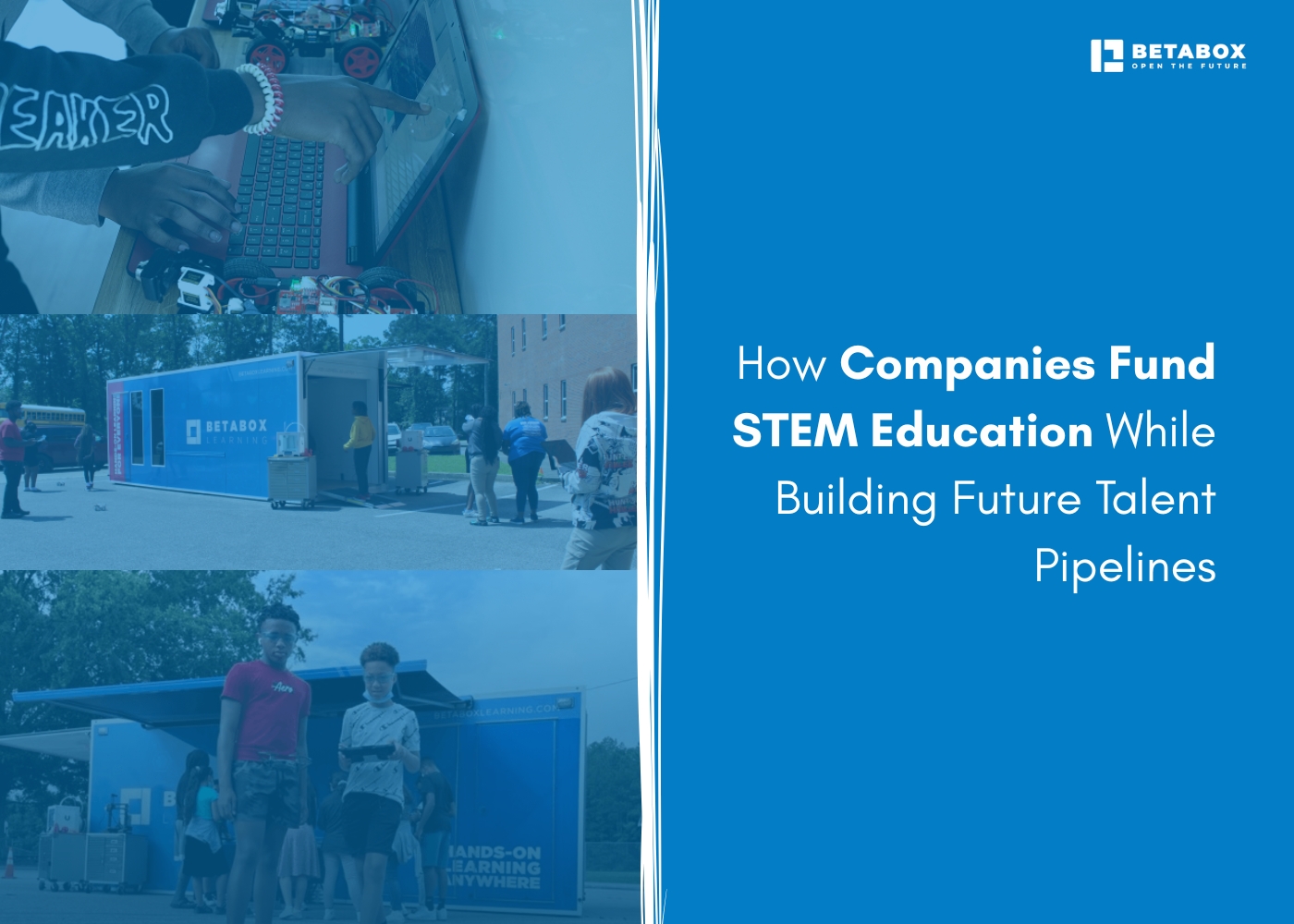
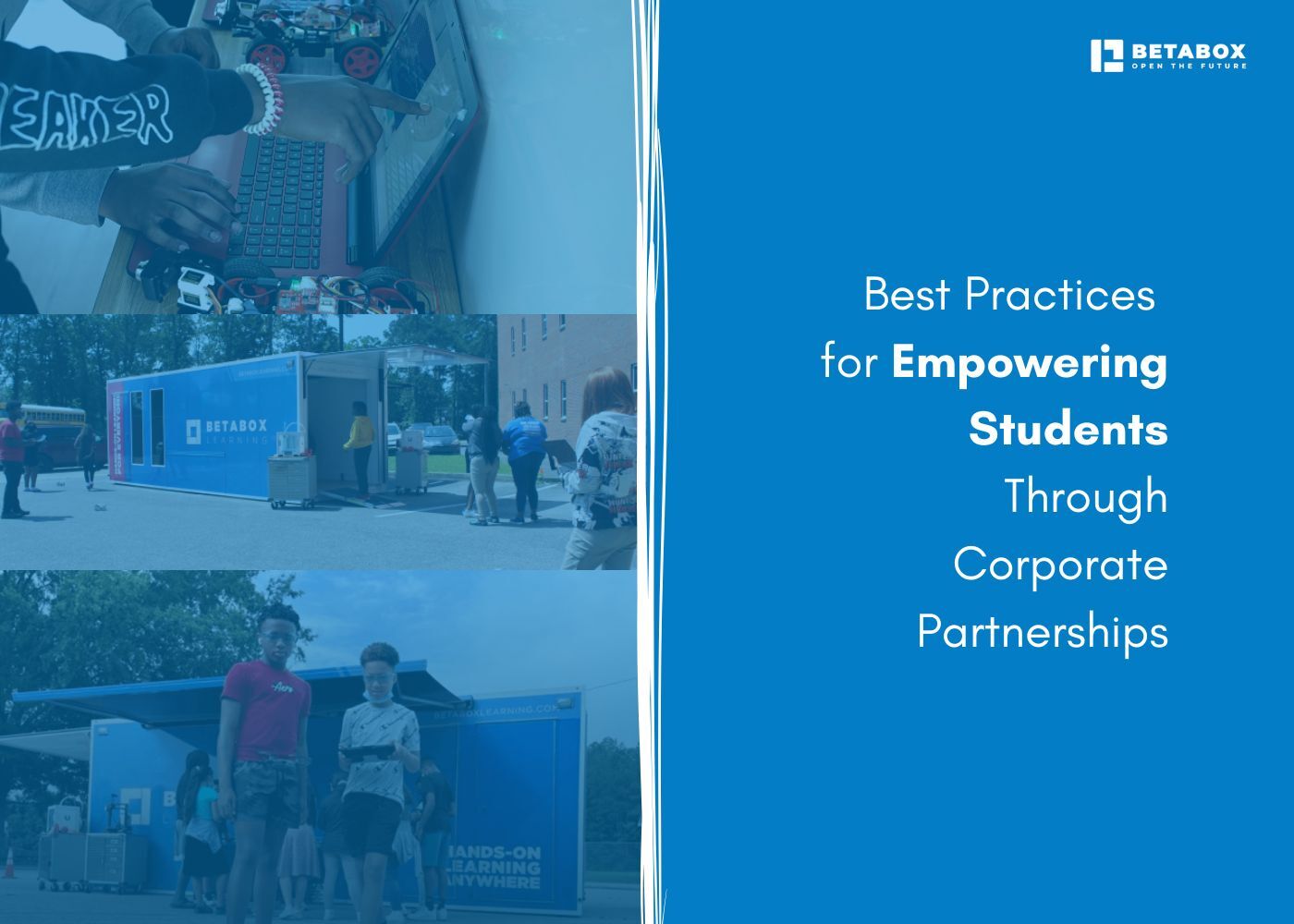
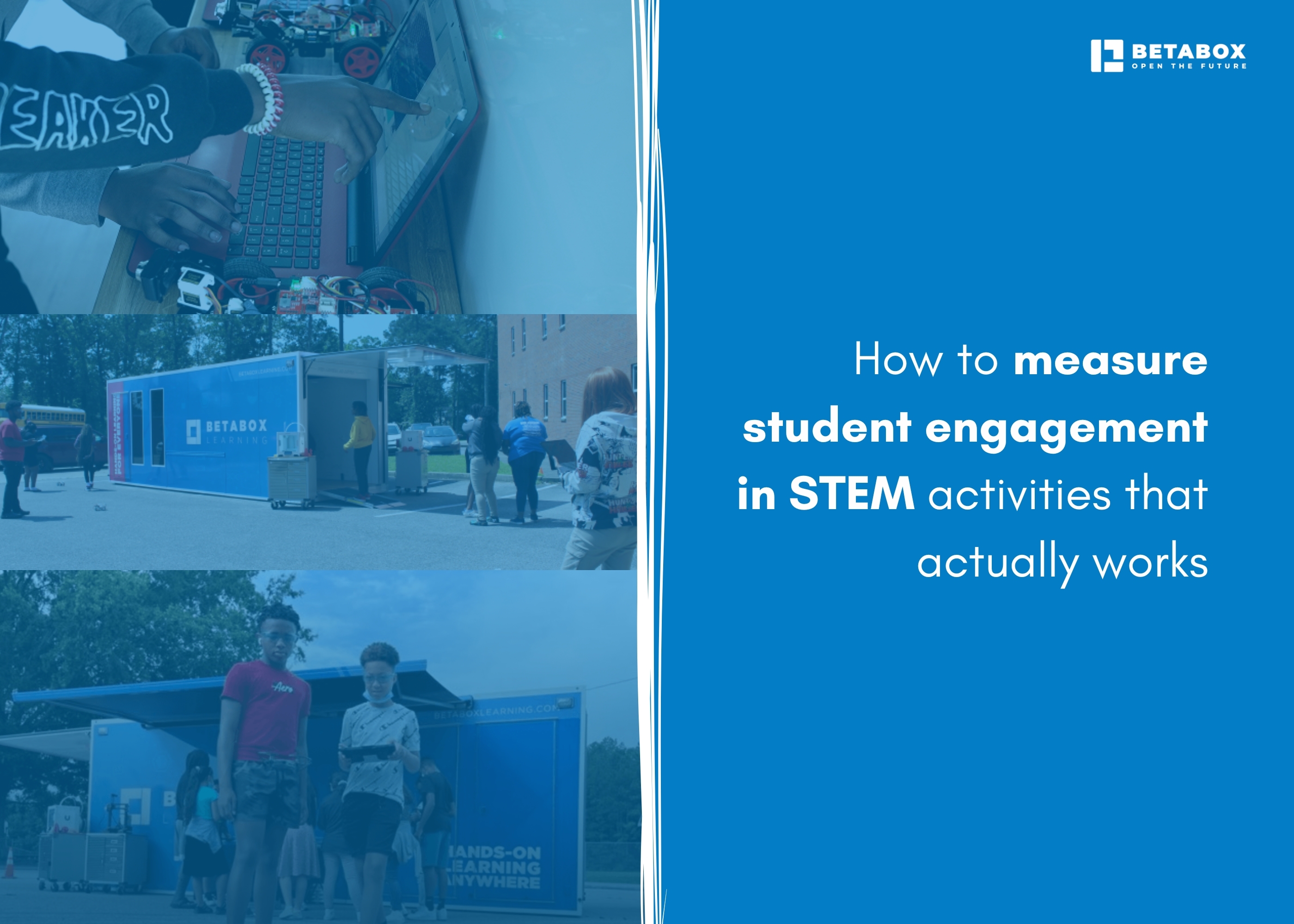
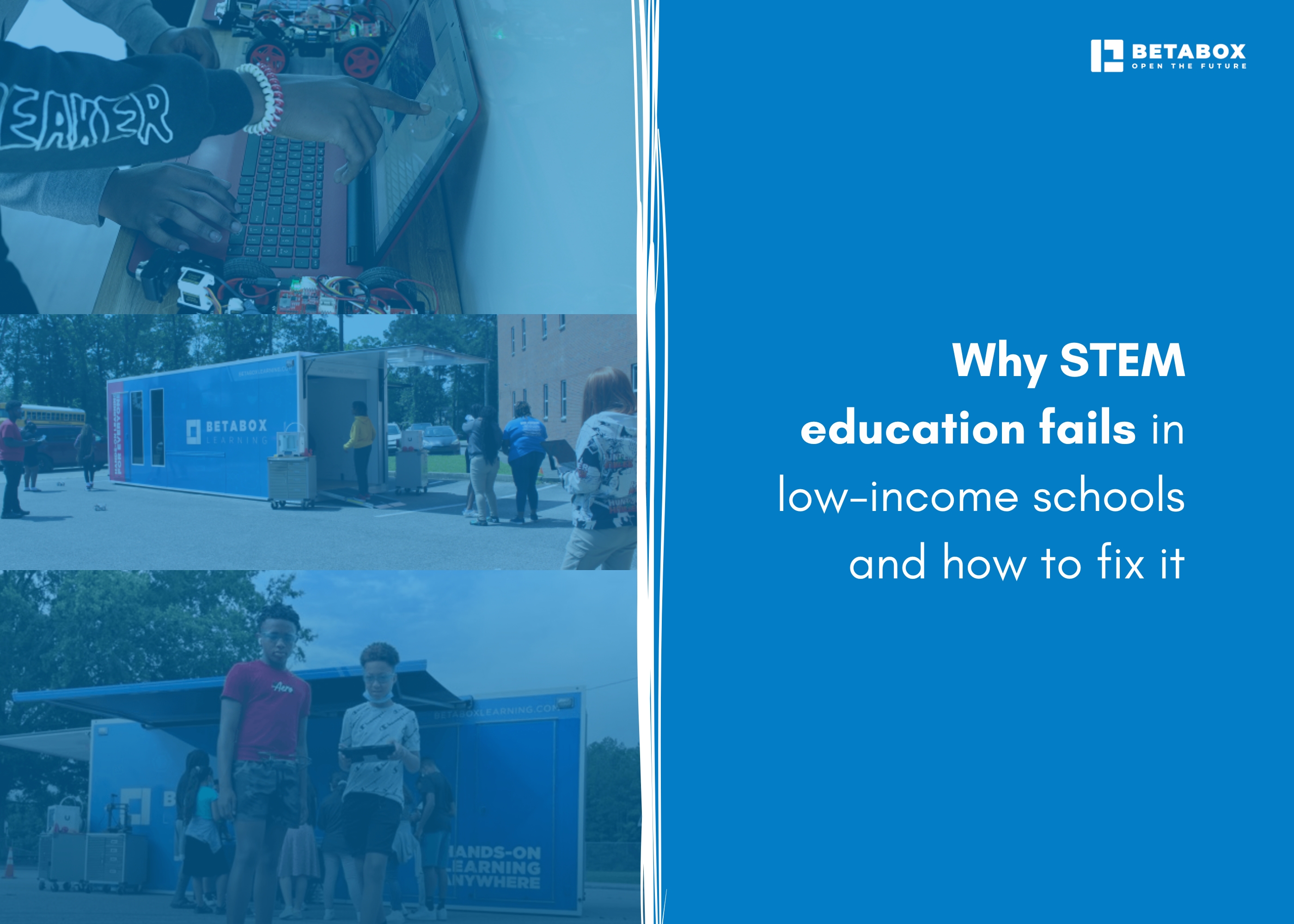
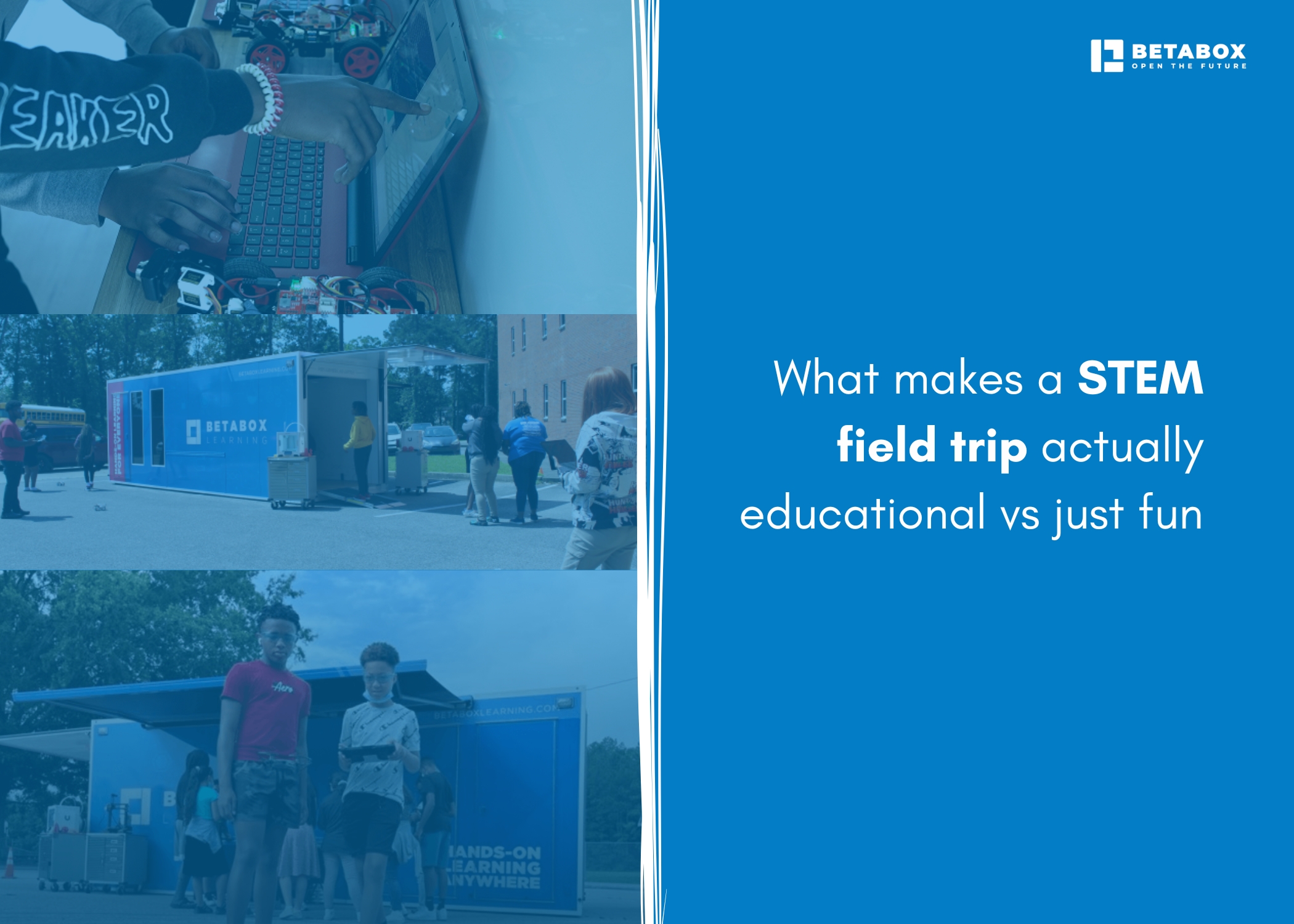
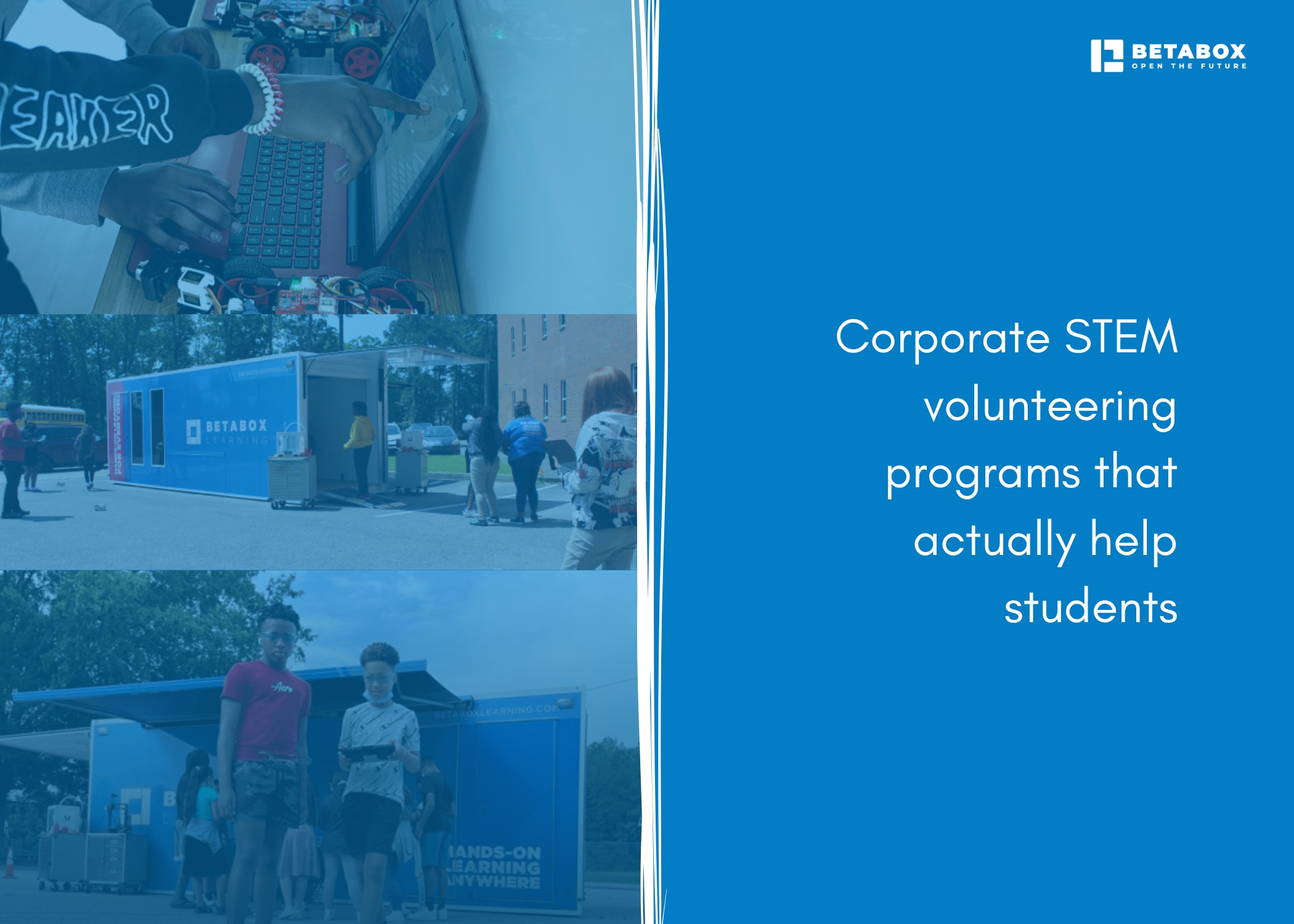
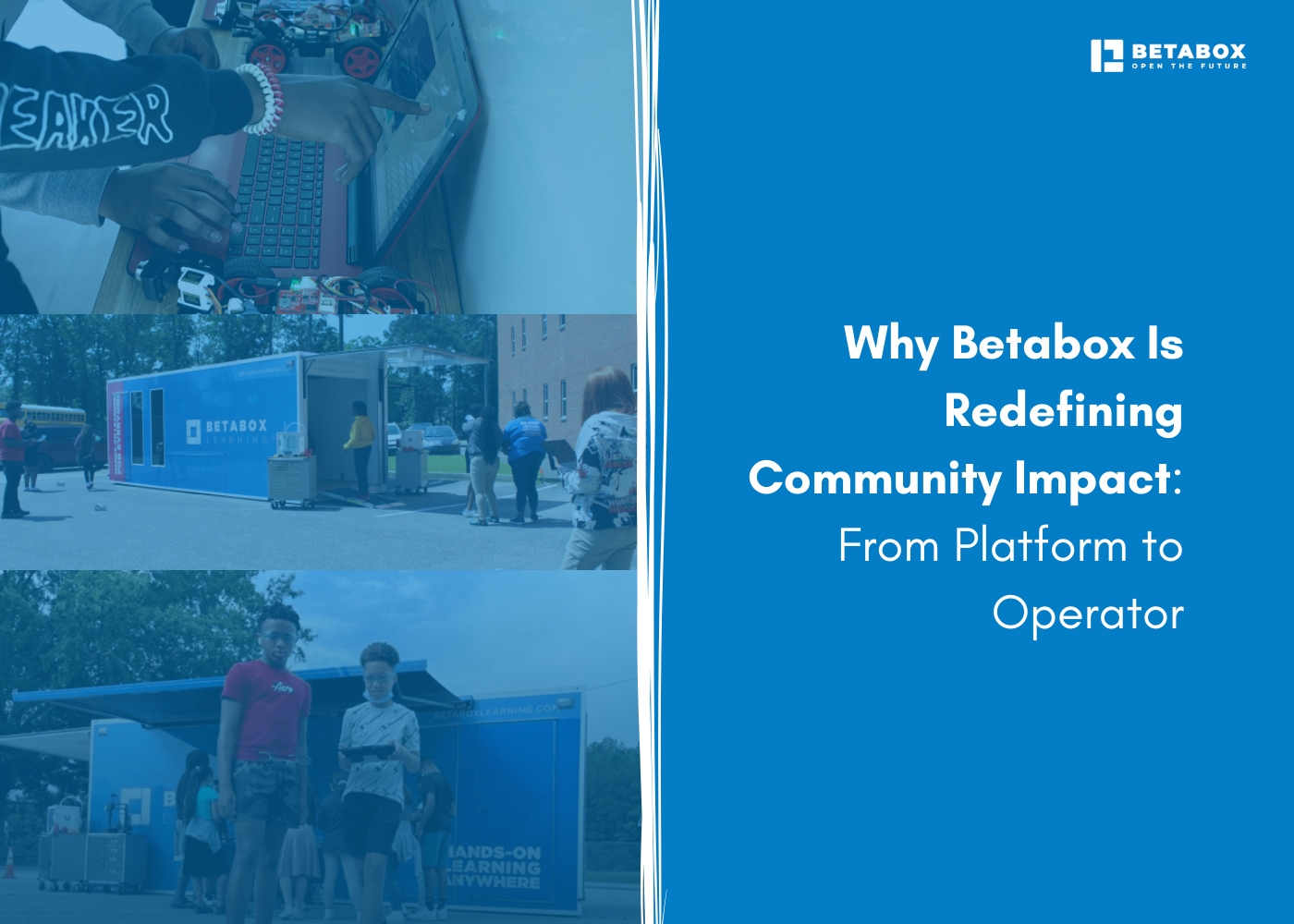
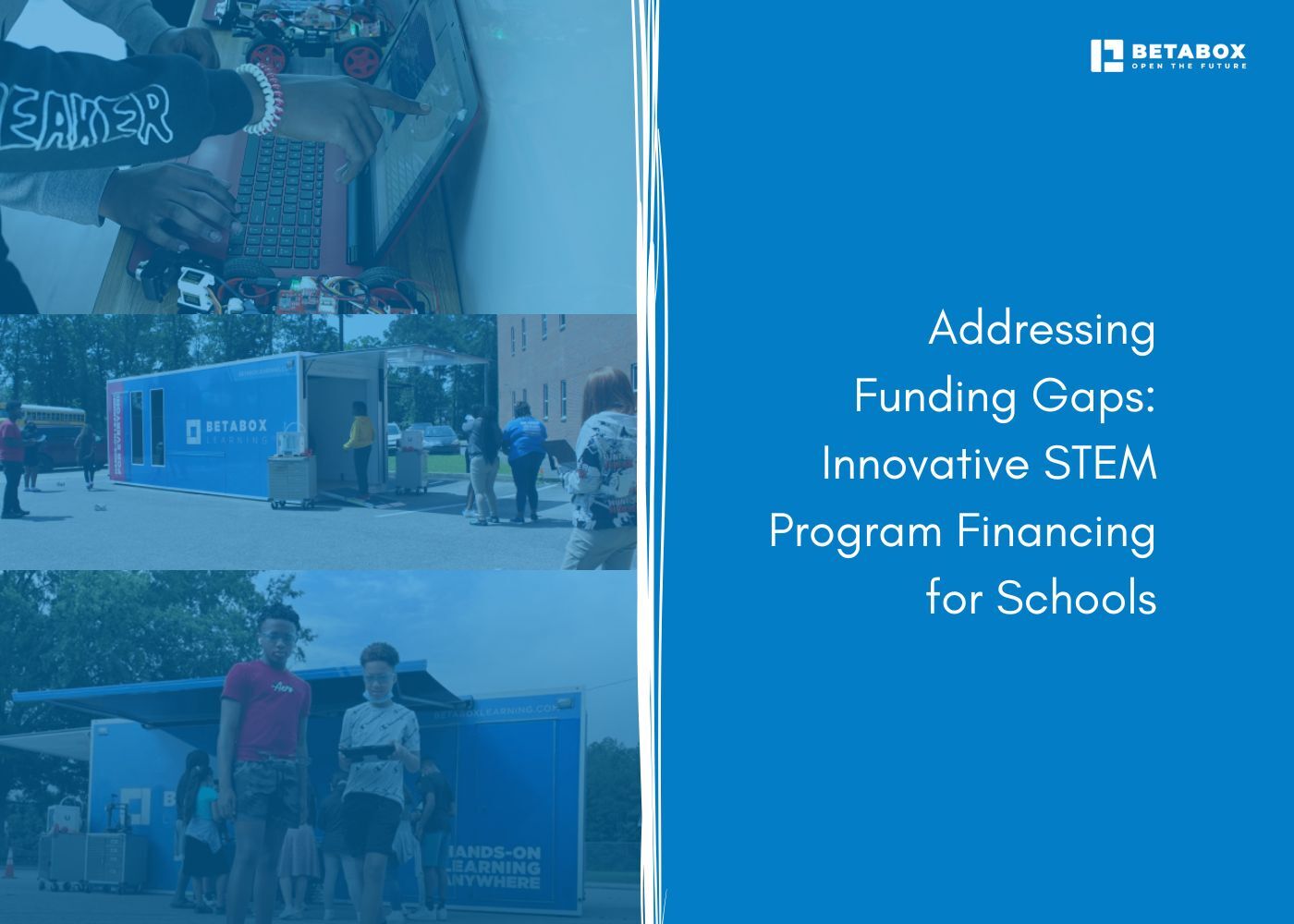
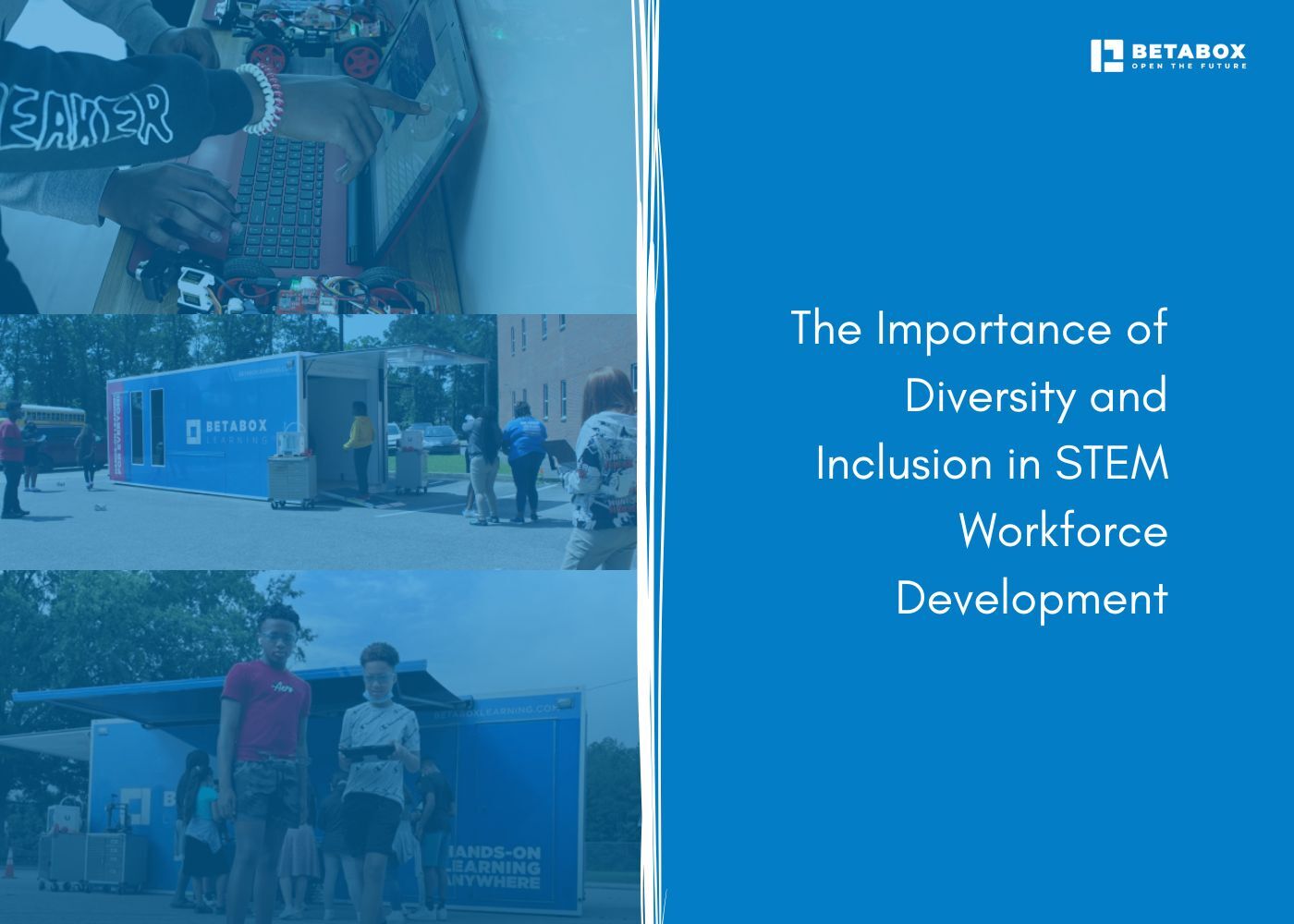
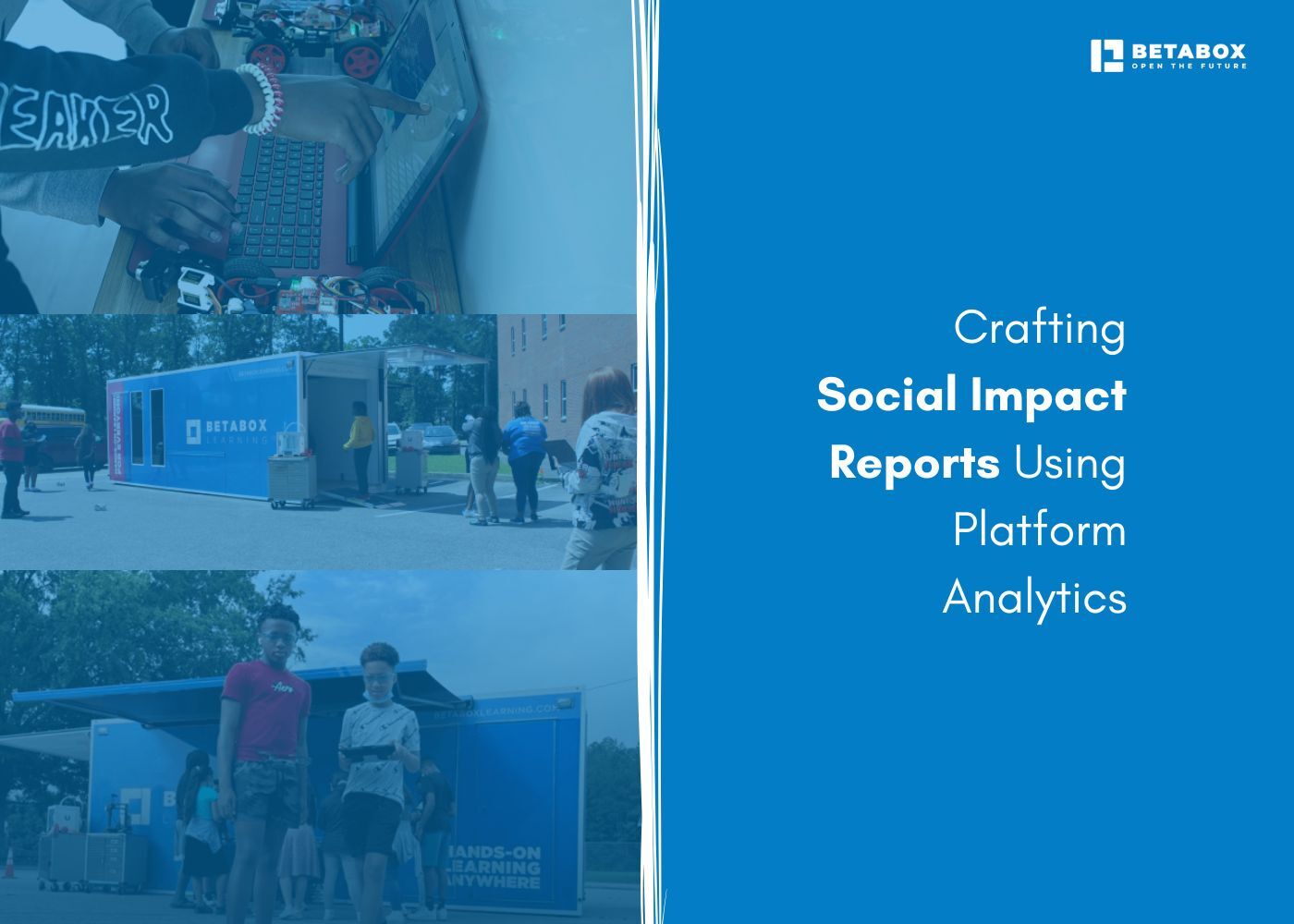
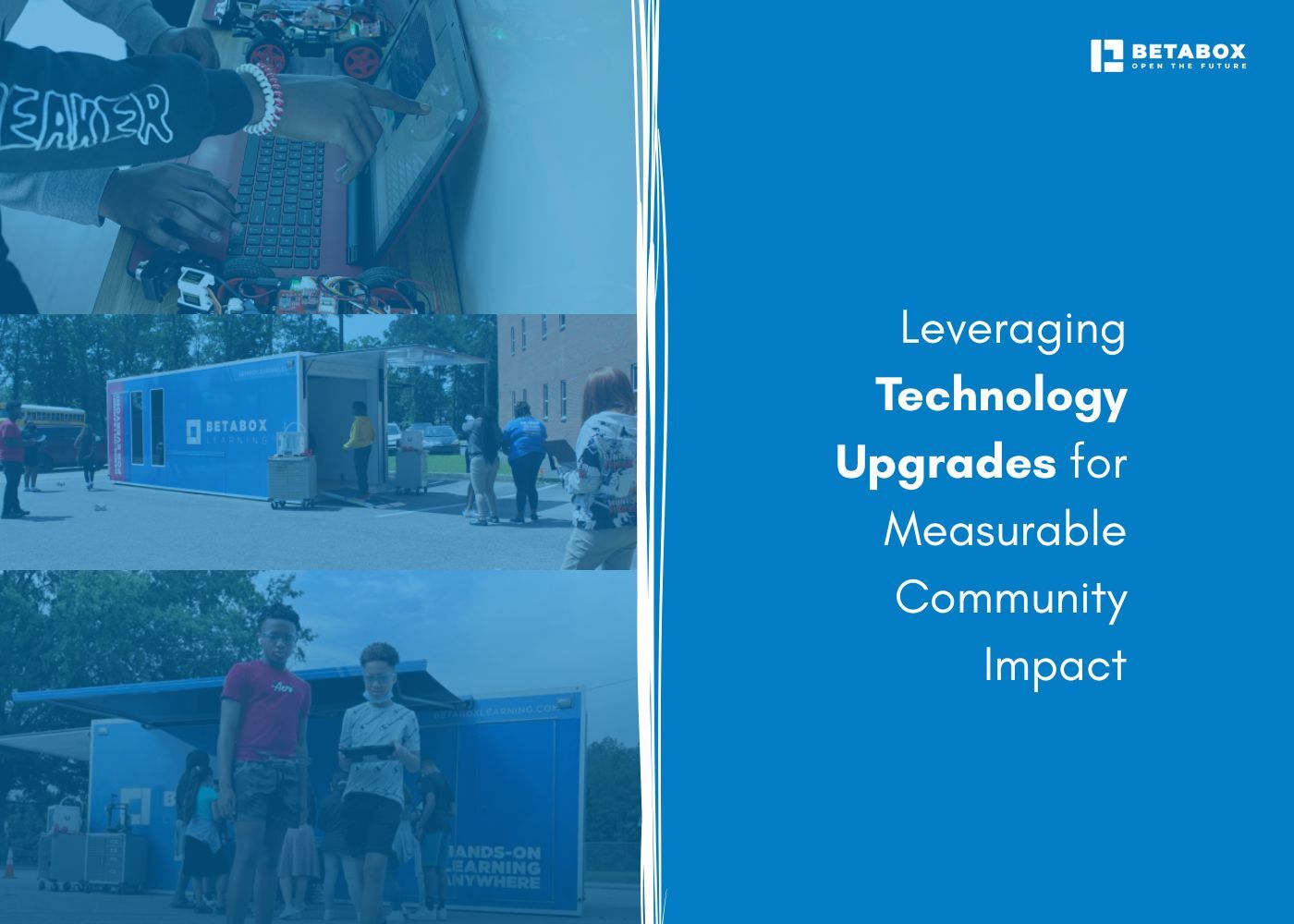
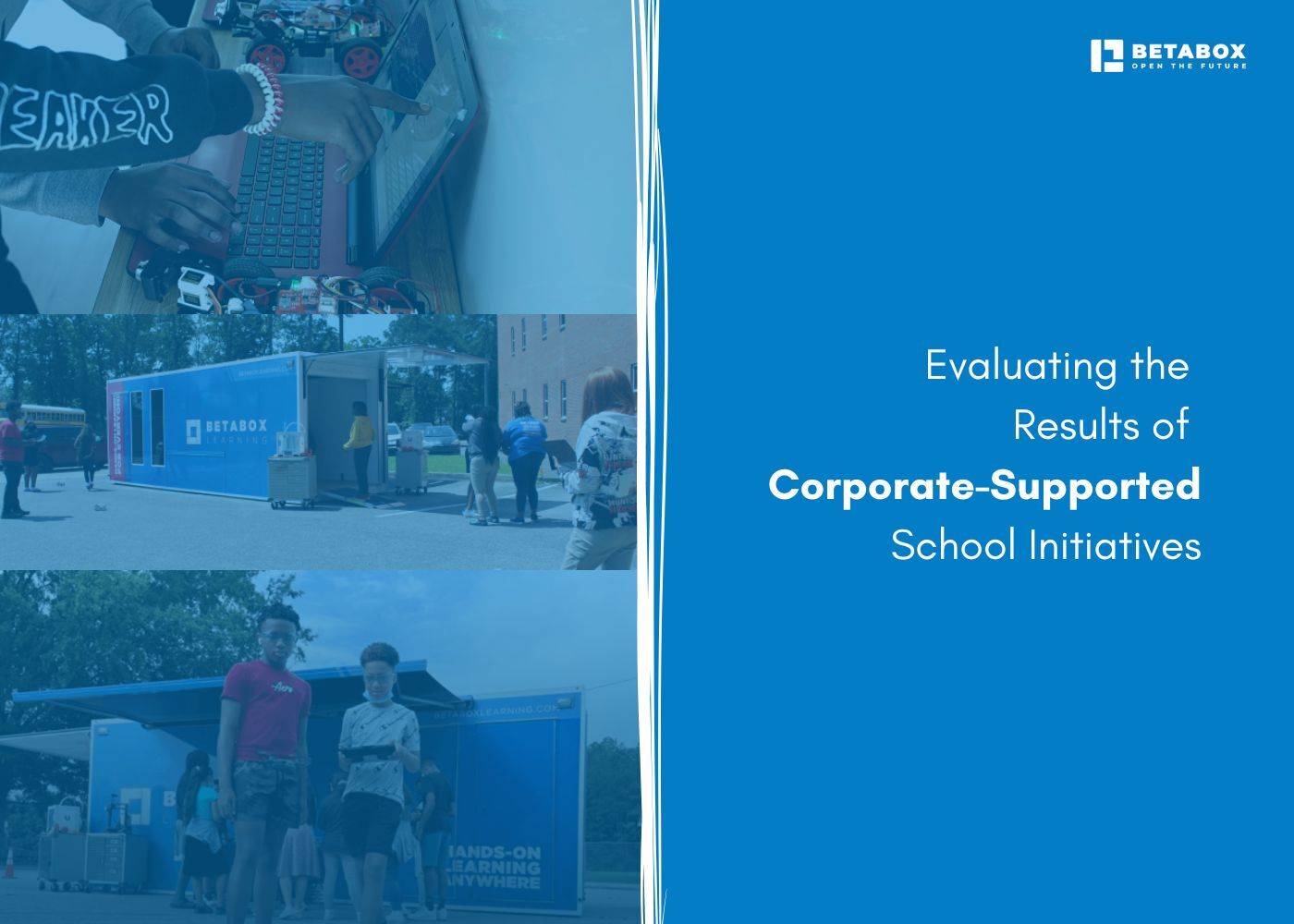
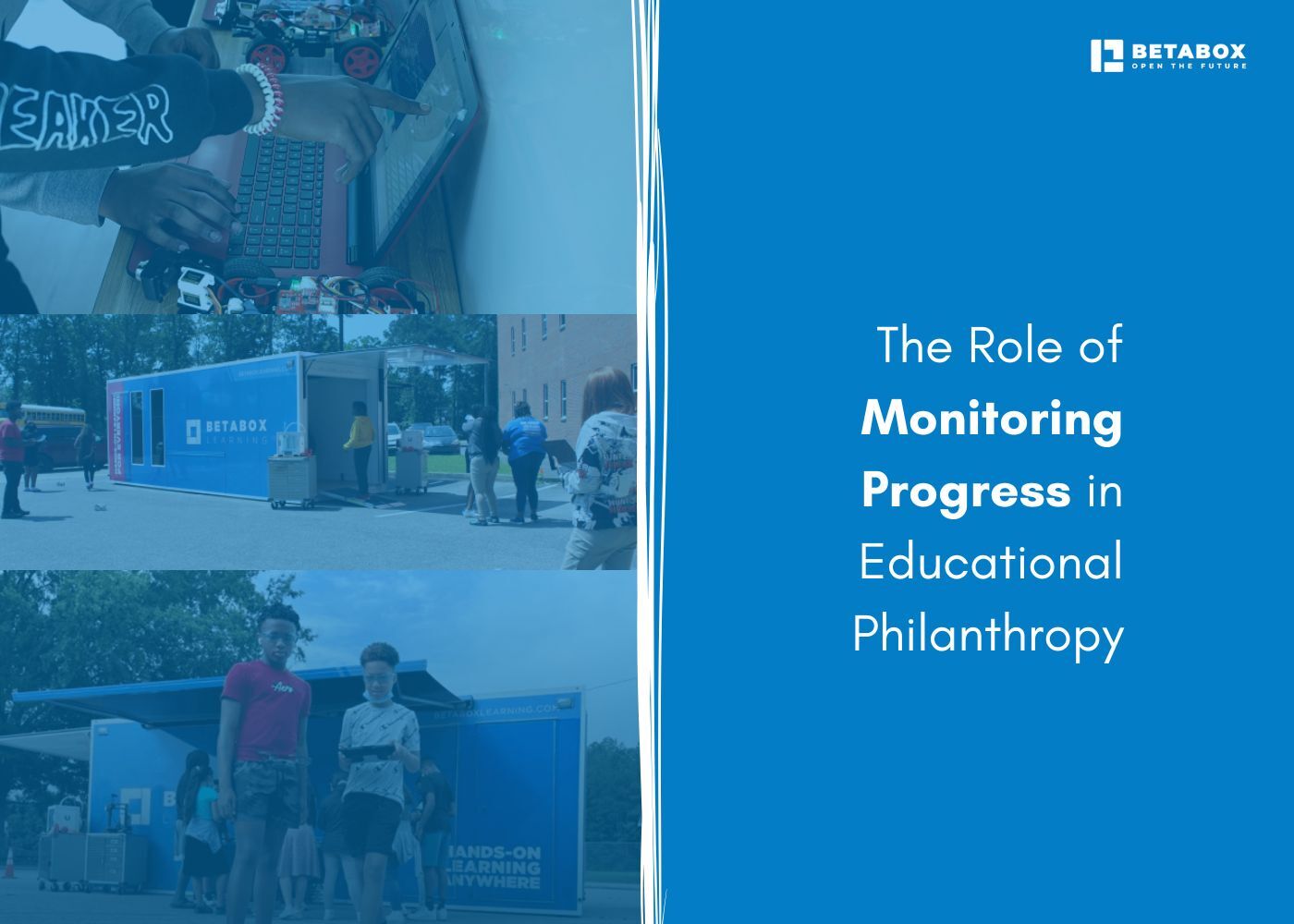
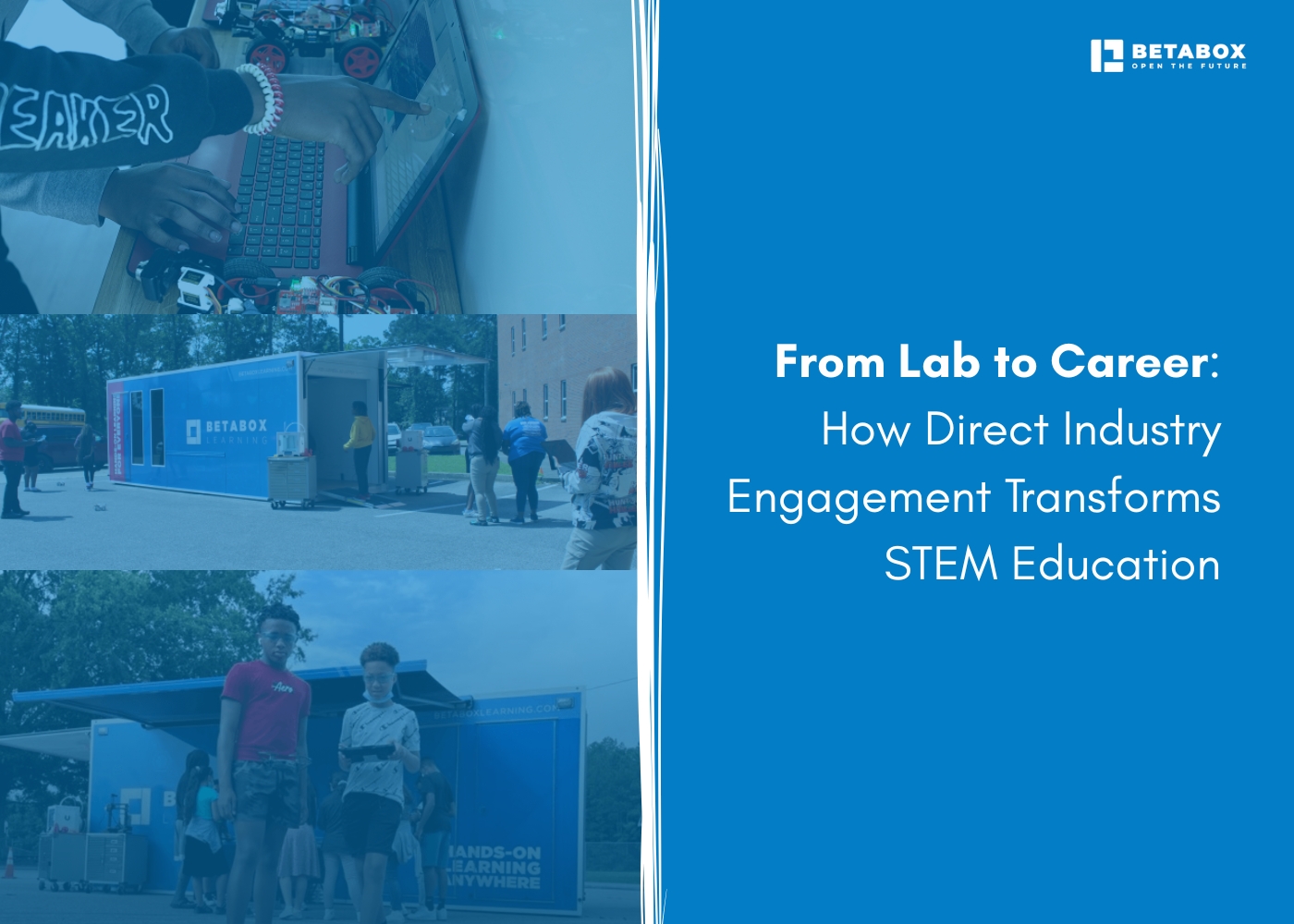
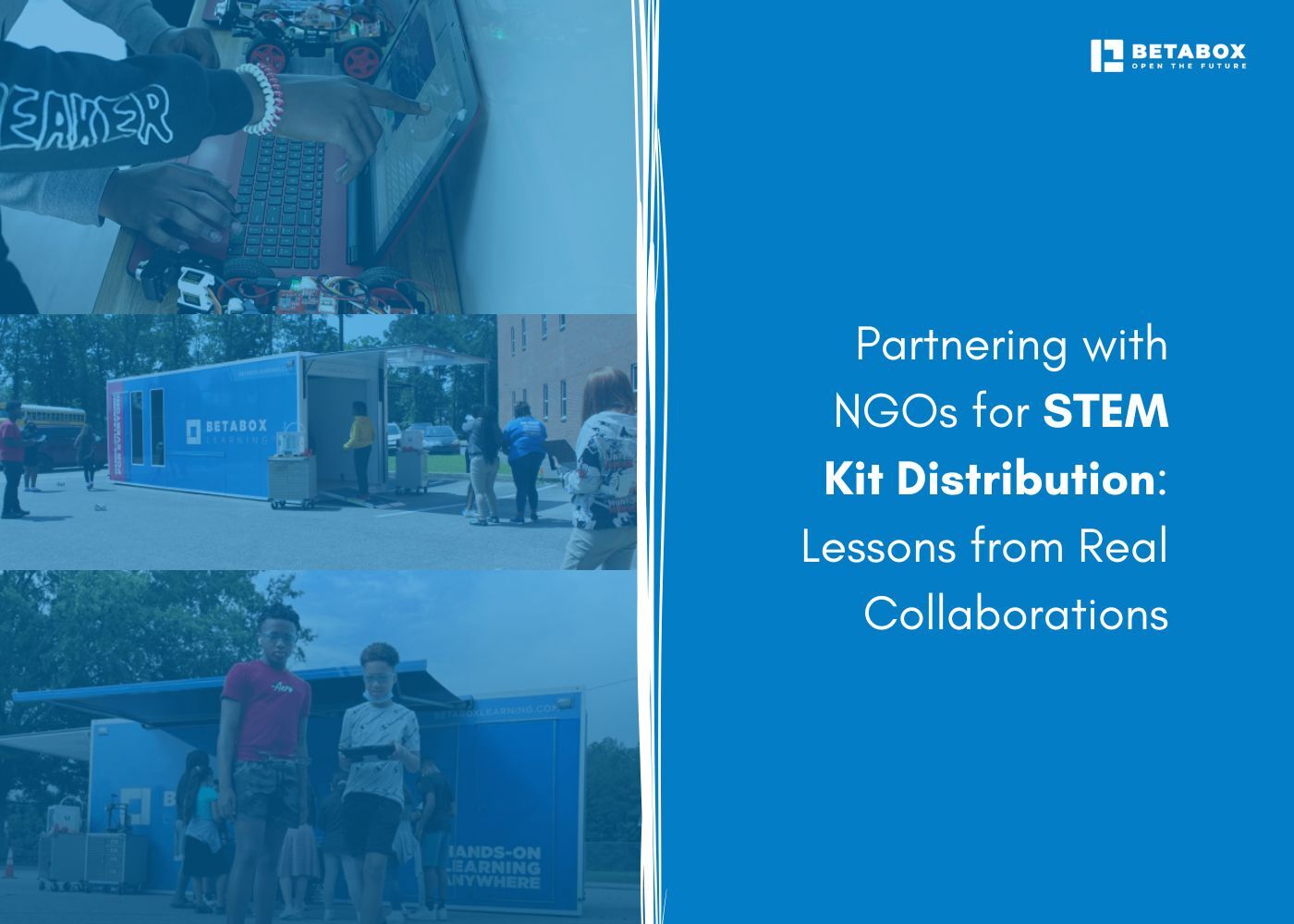
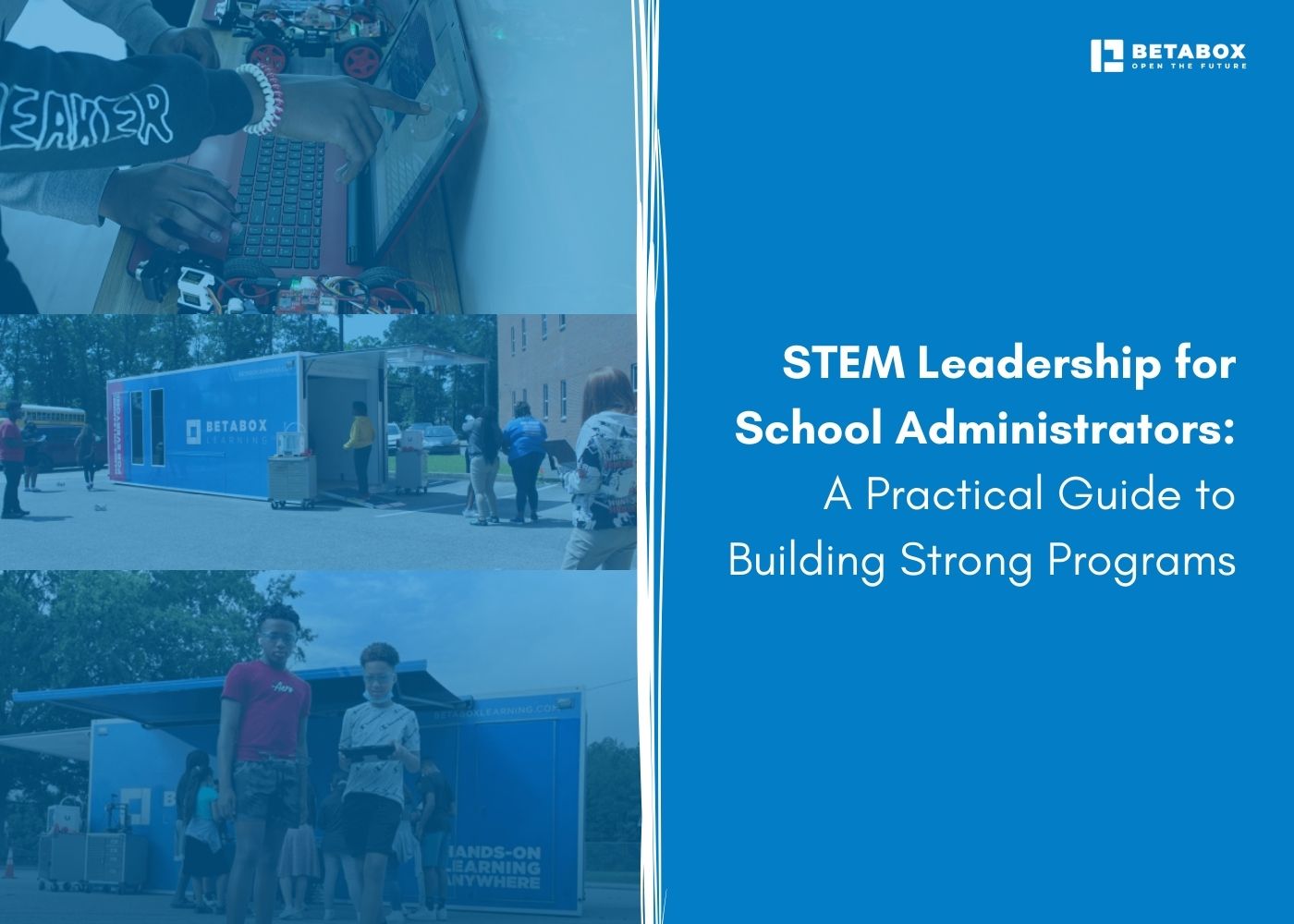
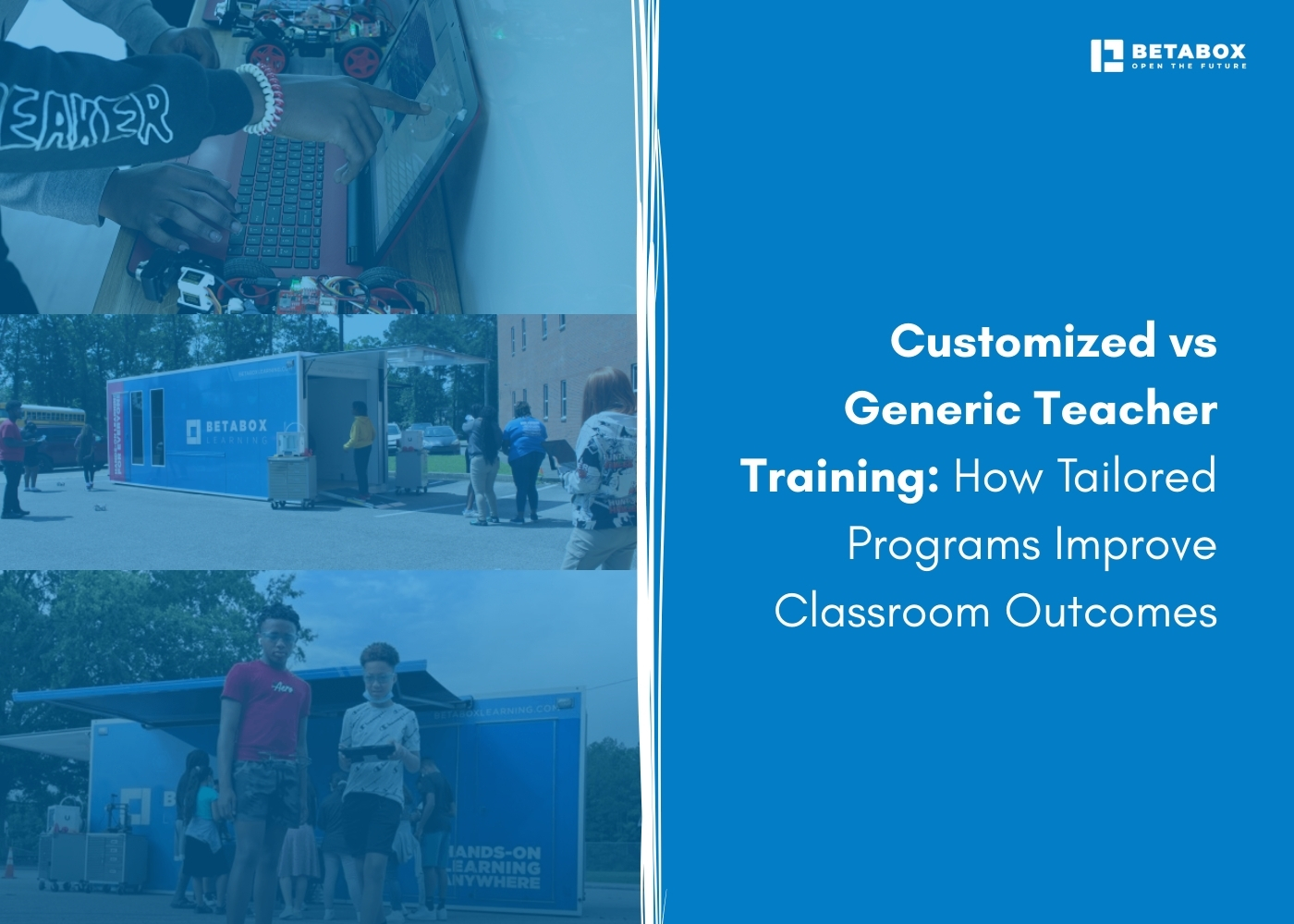
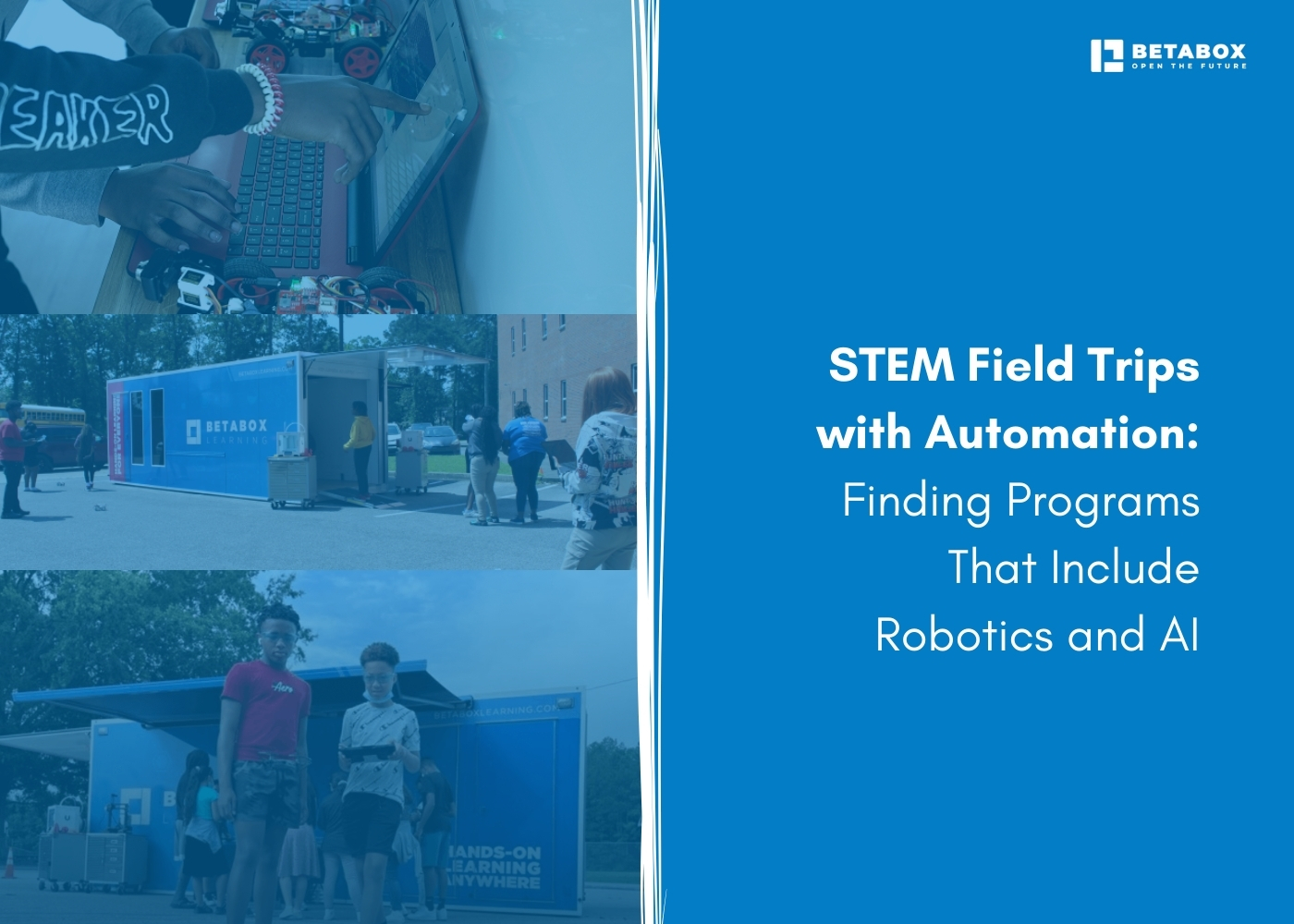
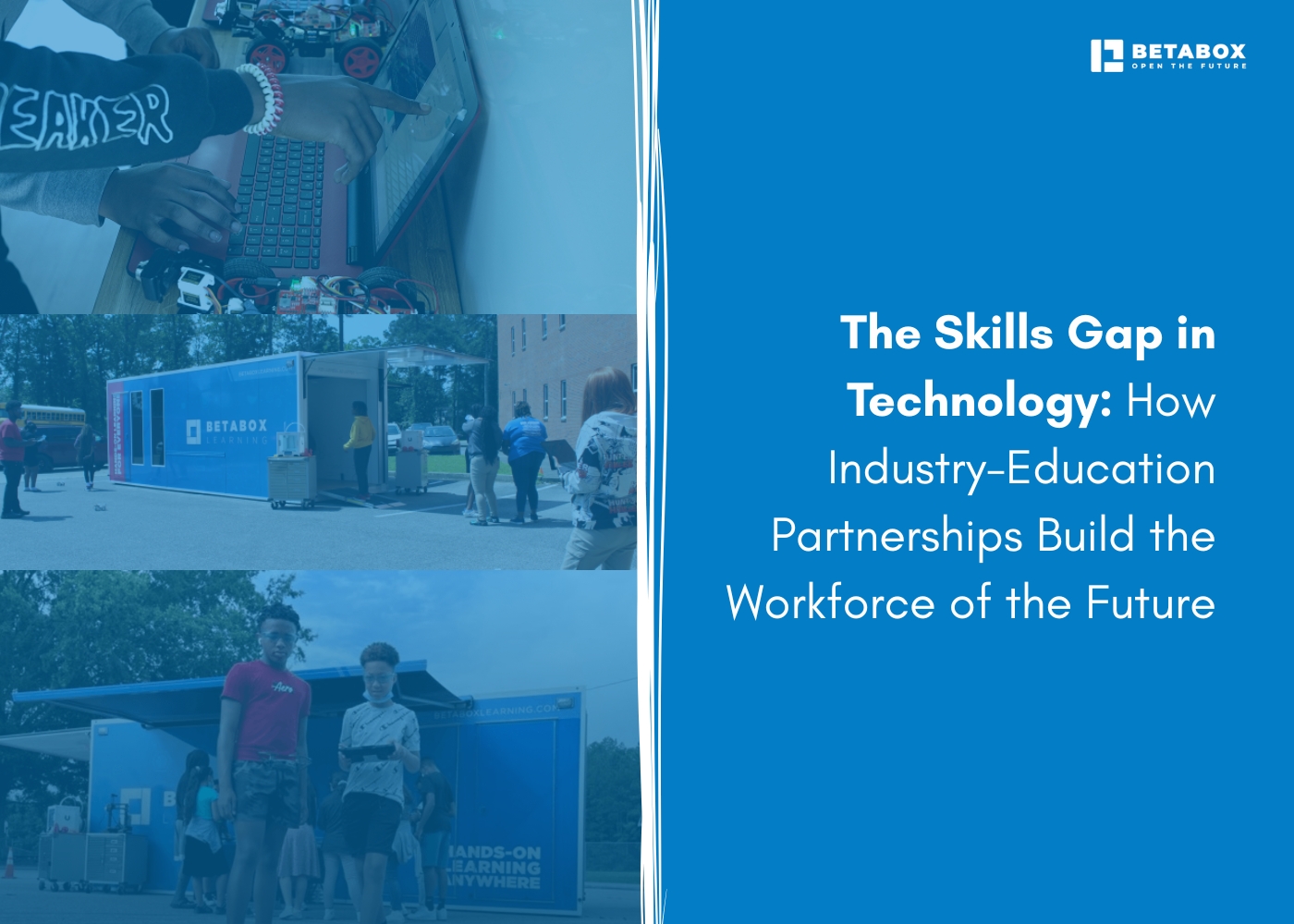
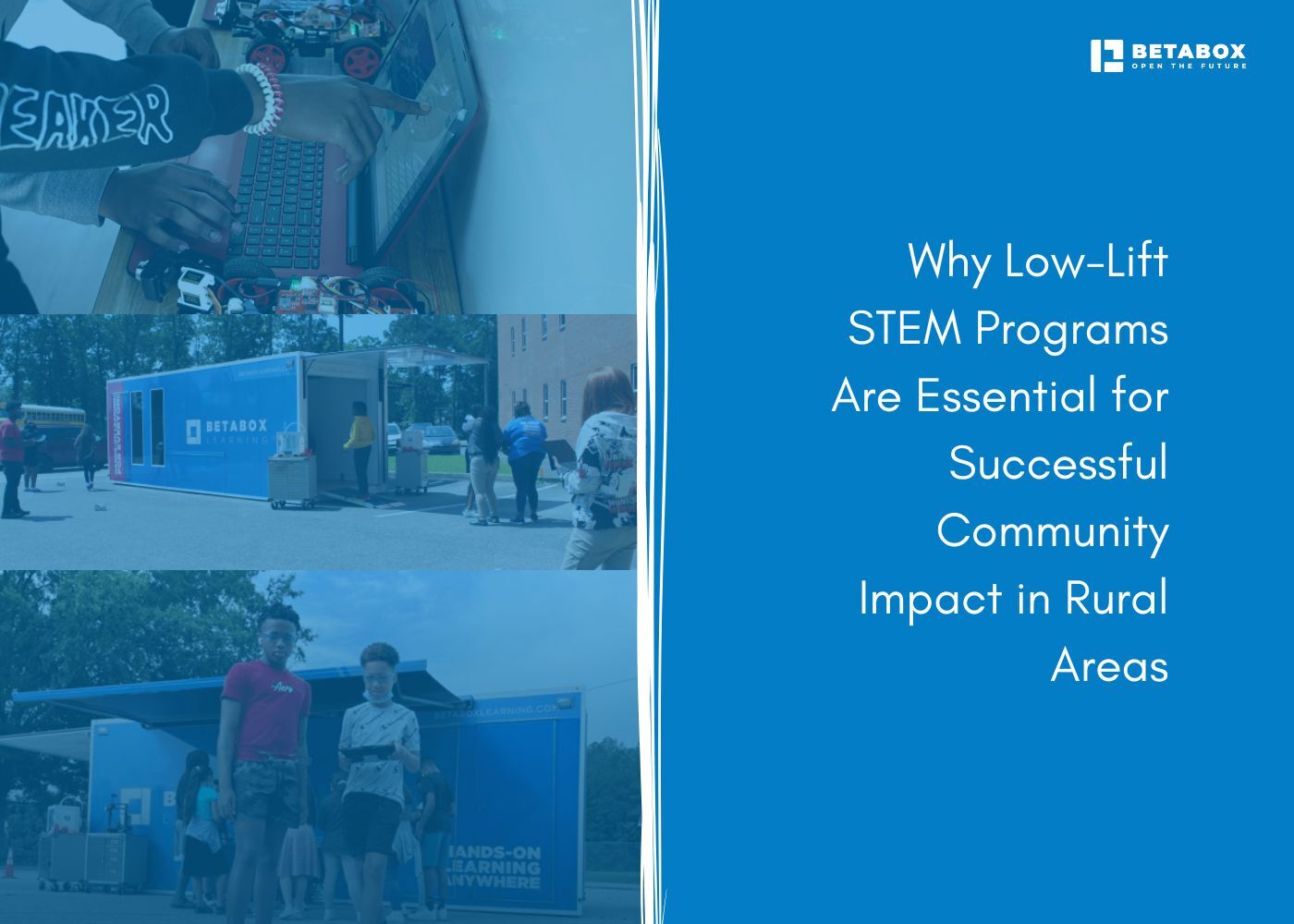
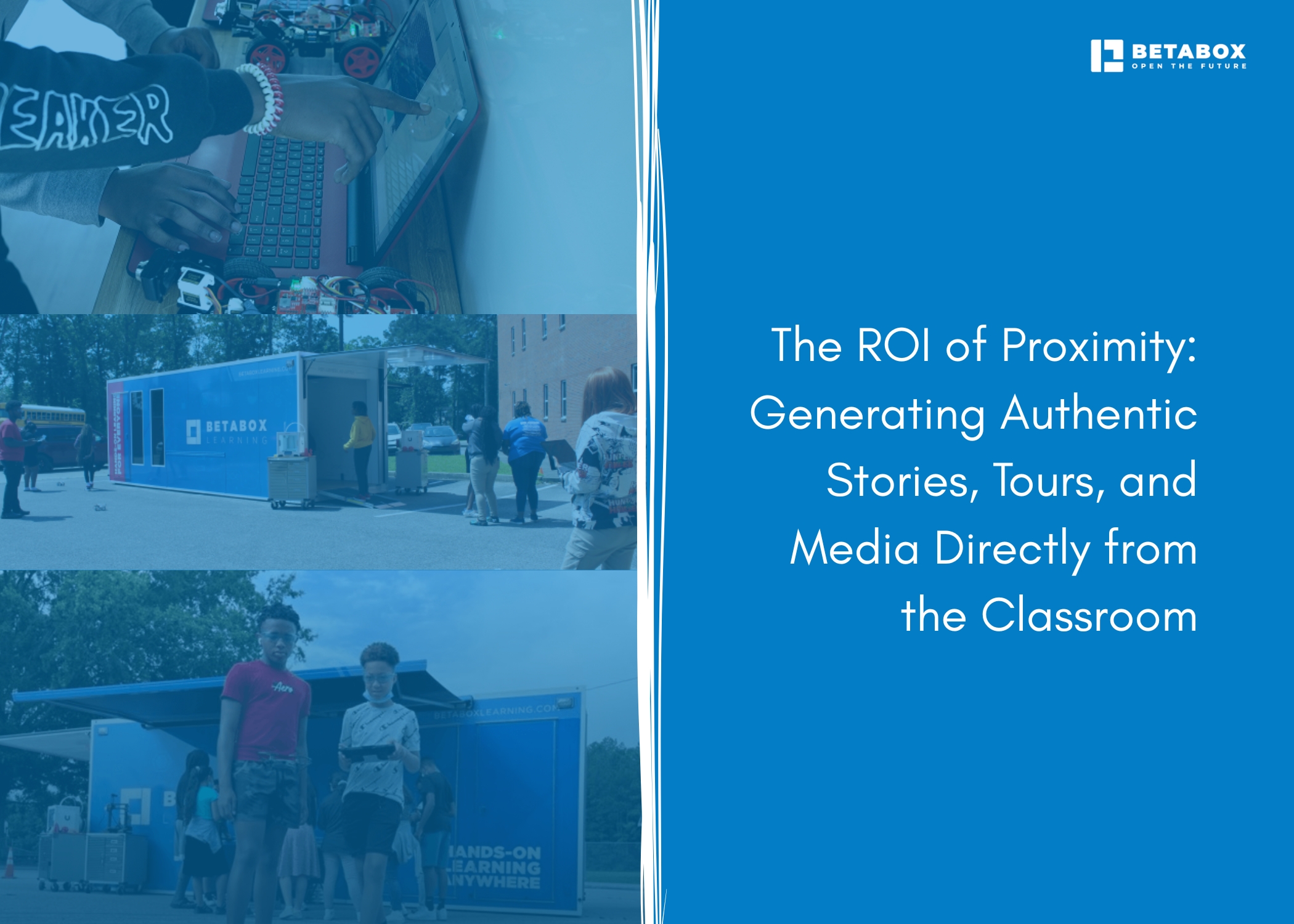
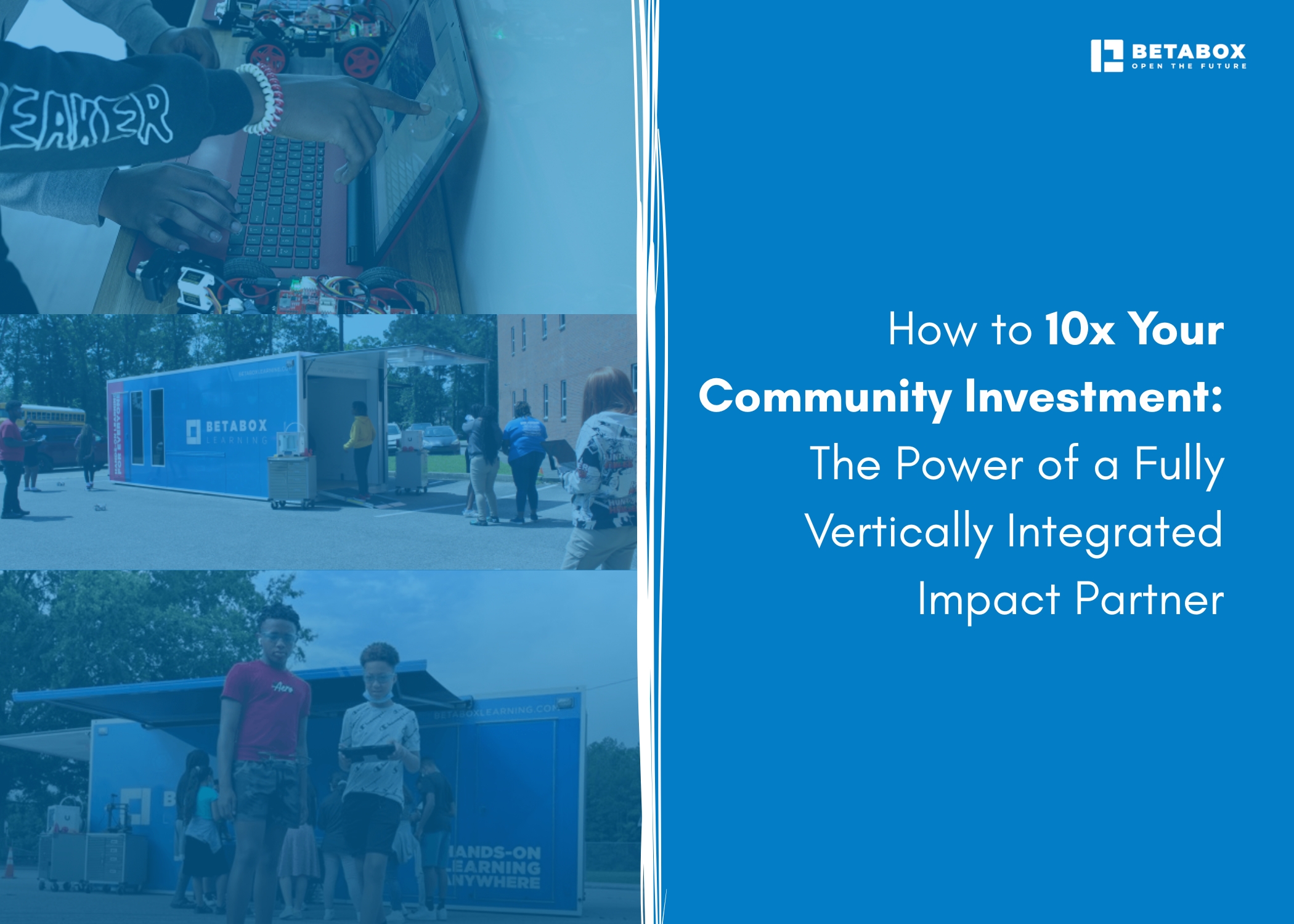
Betabox exemplifies this approach. Since 2015, the organization has delivered mobile labs to rural and under-resourced schools, serving over 500,000 students across 1,000 schools and 150 districts. These initiatives emphasize hands-on STEM learning, turning abstract concepts into tangible experiences.
For CSR and philanthropy teams, such collaborations offer measurable returns: diversified talent pipelines and strengthened community ties. This post examines how these partnerships build STEM career pathways, drawing on evidence from programs like Betabox's Onsite Field Trips.
K-12 systems face persistent hurdles in delivering effective STEM instruction. Funding constraints limit access to modern tools, while teacher training often prioritizes theory over practice. Rural schools, in particular, struggle with resource gaps, leaving students disconnected from emerging technologies.
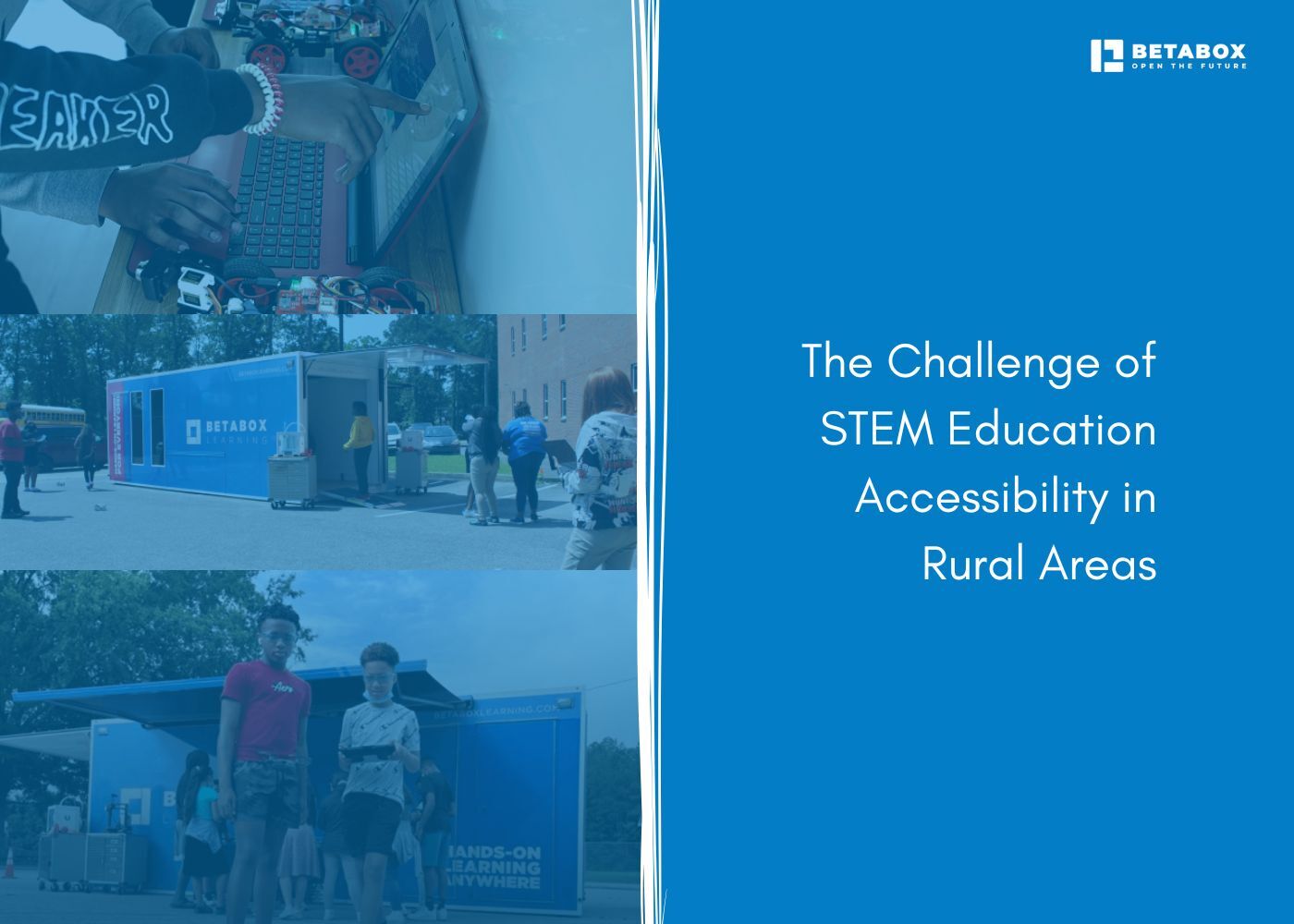
The U.S. Department of Education's STEM initiatives highlight disparities: low-income and rural districts report 30% less access to advanced equipment. This inequity perpetuates a cycle where students from affluent areas dominate STEM enrollment. Betabox addresses this through mobile labs that bring 3D printing, drones, and robotics directly to school sites, ensuring equitable experiential STEM education.
A study in the Journal of Curriculum Studies (Andrée & Hansson, 2020) analyzed industrial rationales for STEM involvement. Researchers identified seven key motivations, including securing competent labor and boosting economic growth. These insights reveal why companies invest: not just altruism, but strategic alignment with workforce needs. Without such engagement, schools risk outdated curricula that fail to inspire K-12 STEM career readiness.
Many educators lack hands-on experience in cutting-edge tools, leading to passive learning environments. Betabox's Onsite Workshops equip teachers with practical strategies, boosting confidence and classroom integration. Evaluations show a 90% educator Net Promoter Score, underscoring the value of targeted professional development.
STEM industry partnerships elevate STEM education by infusing real-world relevance. Companies provide resources, mentorship, and funding, creating ecosystems where students apply knowledge immediately. This model supports STEM workforce development, preparing graduates for roles in high-demand sectors.
Hands-on activities bridge classroom theory and career realities. Betabox's Hands-On Projects challenge students to build robotics or self-driving car prototypes, mirroring industry workflows. A one-hour session yields a 50% knowledge gain and 25% interest boost, per program evaluations.
The Journal of Curriculum Studies study credits such projects with empowering youth, one of seven rationales for industry involvement. Students develop problem-solving and adaptability, key for nonlinear careers. For instance, drone programming sessions simulate data center operations, linking play to professional pathways.
Schools benefit from K-12 turnkey STEM solutions that reduce logistical burdens. Betabox's Classbox.com platform delivers supplies and curricula on demand, enabling seamless integration. Partnerships fund these at no cost to districts, reaching 125+ counties.
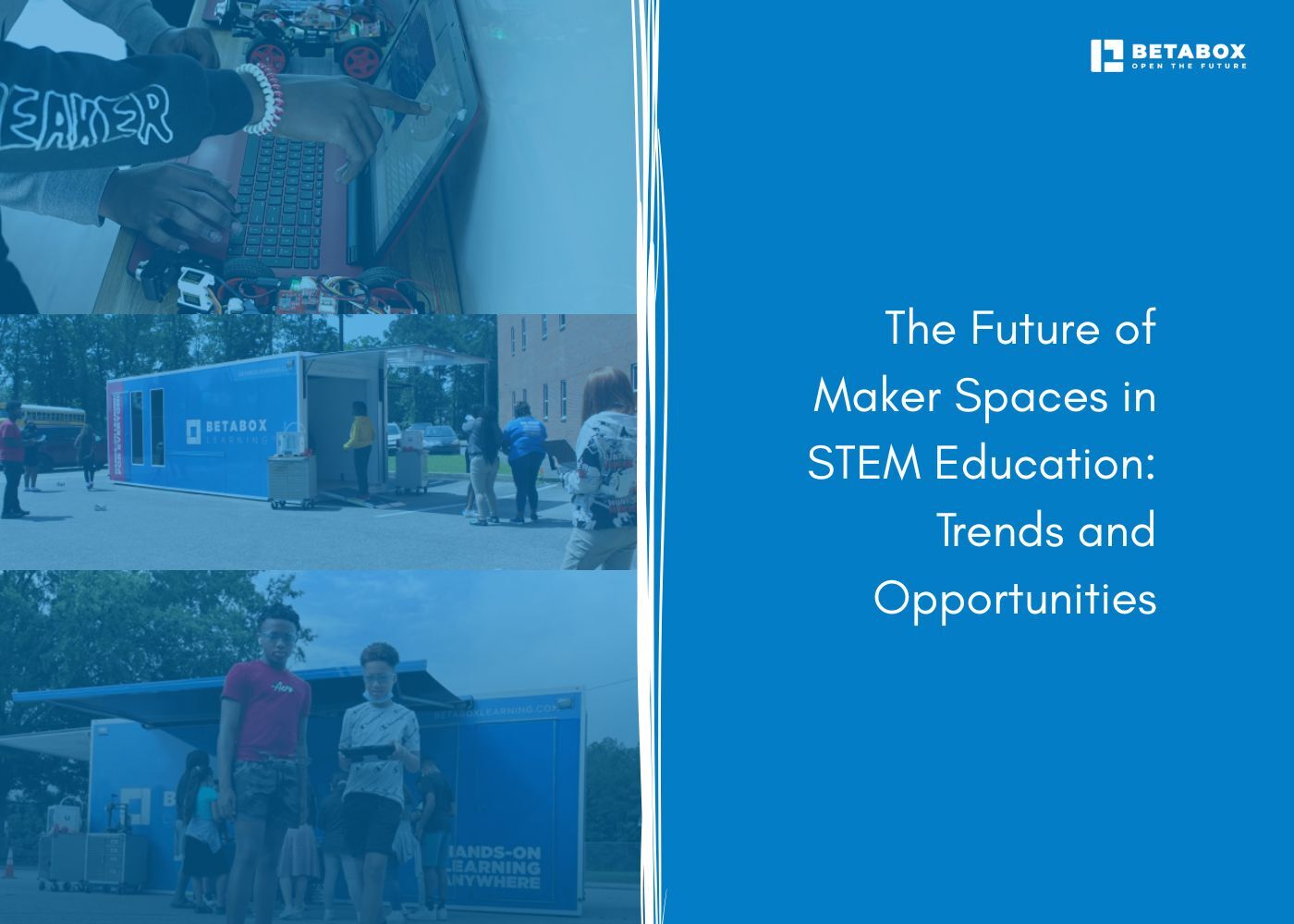
This scalability aligns with public-private models, as noted in the study. Companies gain branding opportunities while schools access tools like maker spaces. Betabox's future of maker spaces article explores trends, emphasizing collaborative hubs that foster innovation.
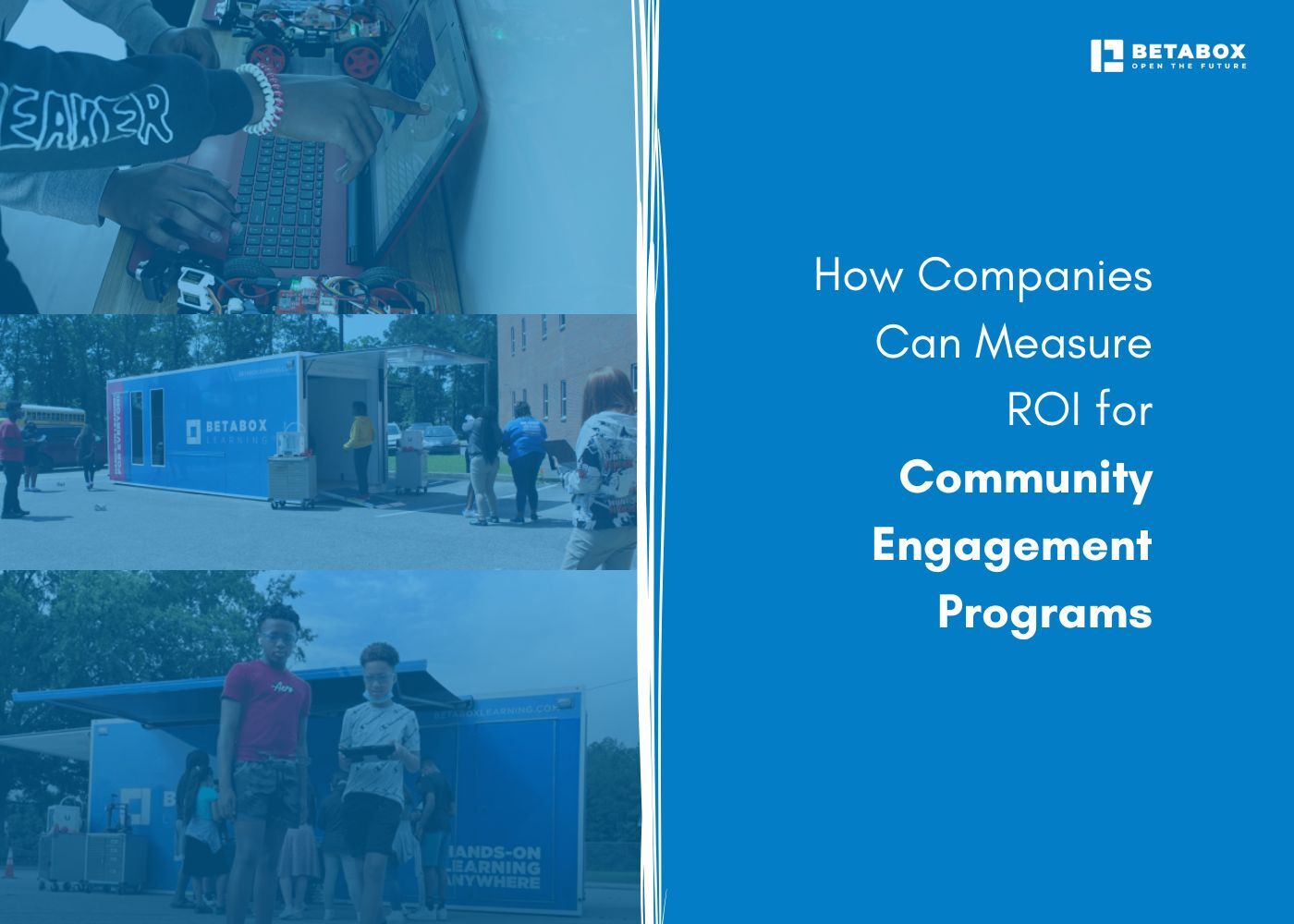
Engagement yields ROI through talent scouting and community goodwill. The study outlines rationales like improving public image and increasing STEM interest, which Betabox operationalizes via volunteer management and impact reports. Partners receive videos and metrics, tying initiatives to ESG goals.
For tech firms, this means early access to diverse candidates. Advanced manufacturing sees reduced skills gaps via project-based exposure. Energy companies build awareness of sustainable tech, aligning with broader societal contributions.
Betabox partnerships demonstrate tangible transformations. These cases showcase project-based STEM education across sectors.
Google partnered with Betabox for a North Carolina tour, delivering mobile labs to underserved schools. Students engaged in AI-driven projects, boosting interest by 25%. This initiative, detailed in Betabox's Google case study, highlights how tech giants foster STEM career pathways. Outcomes included heightened career awareness, with 40,000+ students served annually.
MITRE funded Onsite Field Trips in Virginia, focusing on cybersecurity simulations. The MITRE case study reports 50% knowledge gains, preparing students for defense tech roles. This exemplifies bridging classroom and career STEM, with partners gaining insights into emerging talent.
In Texas, Cypress Creek integrated Betabox projects into CTE curricula, emphasizing robotics for energy applications. The Cypress Creek case study notes improved graduation rates in STEM tracks. Utilities partners benefited from aligned skills training, supporting STEM industry partnerships.
These corporate STEM partnerships, grounded in the study's economic growth rationale, prove partnerships deliver mutual value.
The Google and Ross Foundation partnerships illustrate what separates effective industry-education partnerships from one-off sponsorships. Google's North Carolina STEM tour scaled across multiple rural districts because Betabox handled all delivery logistics while Google provided funding and brand visibility. The Ross Foundation took a similar approach in West Virginia, partnering with Betabox and Education Alliance to bring mobile tech labs to Ritchie County High School — combining philanthropic funding, regional education expertise, and turnkey program delivery into a three-way collaboration model. Across both, the same structural ingredients drove success:
- Turnkey execution: The funding partner never had to coordinate with individual schools — Betabox managed scheduling, equipment, facilitation, and reporting end to end.
- Regional alignment: Google targeted North Carolina communities near its operations; the Ross Foundation focused on Appalachian schools matching its West Virginia mission.
- Bundled teacher development: Both partnerships included educator professional development alongside student programming, building long-term classroom capacity beyond the initial field trip.
- Measurable, reportable outcomes: Pre/post assessments and impact dashboards gave each partner concrete data for ESG reporting and future investment decisions.
CSR teams can initiate collaborations with structured approaches. Start with needs assessments, then co-design programs.
Assess workforce gaps against local school priorities. Betabox's blueprint process maps these, ensuring relevance. The study stresses "securing competent labor" as a driver; frame proposals around shared outcomes like diversity in hiring.
Deploy K-12 turnkey STEM solutions via phased rollouts: field trips followed by classroom extensions. Track via pre/post assessments, as Betabox does. Partners receive dashboards for ESG reporting, validating investments.
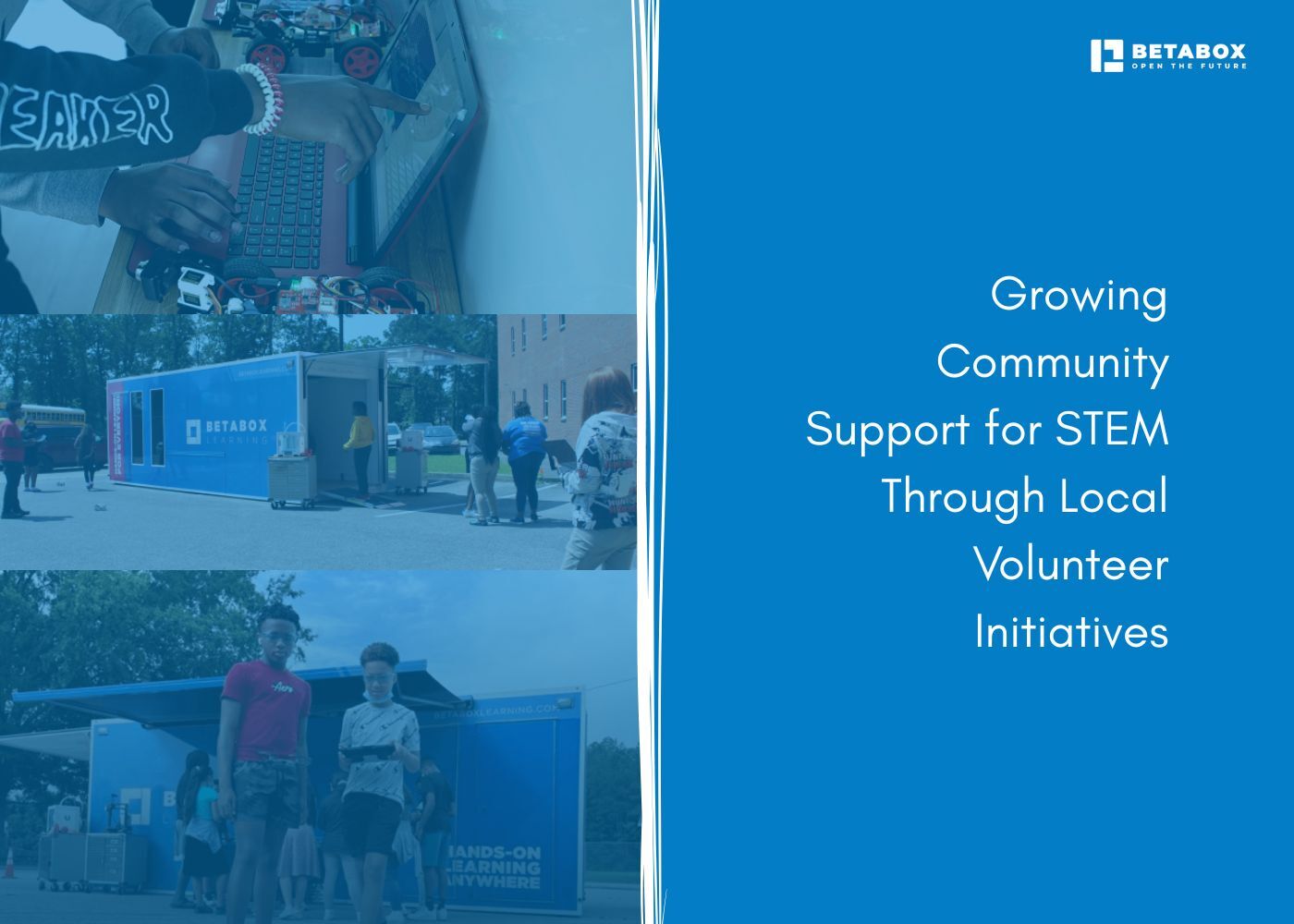
Foster volunteer programs and annual reviews. Betabox's Path Tools guide career mapping, extending impact beyond one-off events. This builds enduring STEM industry partnerships.
Future partnerships will leverage AI and hybrid learning. Maker spaces evolve into innovation hubs, per Betabox's maker spaces trends article. Industry must adapt, integrating virtual simulations for broader reach.
The Journal of Curriculum Studies warns of tensions between private gains and public good. Balanced engagement prioritizes equity, ensuring initiatives empower all students. As AI reshapes jobs, companies investing in industry STEM programs now secure resilient pipelines.
Betabox's model, serving 325,000+ students, positions partners at the forefront. Explore Betabox partnerships to operationalize these trends.
What is industry engagement in STEM education?
Industry engagement in STEM education is when companies directly participate in K-12 learning through funding, mentorship, equipment, or hands-on programming. Rather than traditional donations, these partnerships embed real-world projects and career exposure into school curricula, connecting classroom learning to workforce needs. Benefits include a 25% boost in student interest and 50% knowledge gains, per program evaluations, while companies gain diversified talent pipelines and stronger community ties.
What are examples of direct industry involvement in K-12 STEM?
K-12 STEM industry collaboration examples include Google's mobile lab tours and MITRE's cybersecurity workshops. These deliver hands-on projects through Betabox partnerships, enhancing experiential learning without school costs.
How do partnerships with industry prepare students for STEM careers?
STEM education corporate partnerships expose students to projects like robotics builds, mapping skills to roles in tech and manufacturing. Betabox's Path Tools guide nonlinear pathways, fostering adaptability for AI-driven jobs.
Why is hands-on experience important in STEM fields?
Hands-on learning builds problem-solving and creativity, essential for innovation. It transforms passive knowledge into applicable skills, reducing the 99% mismatch between current curricula and future careers.
What skills do students gain from real-world STEM projects?
Students develop systems thinking, collaboration, and iteration through activities like drone design. These competencies, highlighted in Betabox programs, directly support entry-level roles in engineering and data analysis.
How can companies initiate STEM partnerships with organizations like Betabox?
Start with a blueprint call to align goals and explore K-12 turnkey STEM solutions. Betabox handles deployment and reporting, ensuring ROI through metrics like talent pipeline growth and community impact data.
How do companies partner with schools for STEM?
Companies partner with schools through several models, including funding hands-on programs at no cost to districts, sponsoring mobile lab visits, providing employee volunteers for classroom mentorship, co-branding STEM experiences, and supplying equipment and curriculum resources. Turnkey solutions handle logistics like supplies, facilitation, and impact reporting, making it possible for companies of any size to support K-12 STEM without placing additional burden on school staff.


Ready to learn how Betabox resources can be implemented at your school or District?
Book a Blueprint Call

.jpg)

.jpg)
.jpg)
.jpg)






.jpg)

At Betabox Learning, we are passionate about making hands-on STEM curricula accessible to all students.






.jpg)